LNG Terminal Telecom Systems in Spain
Telecom and safety systems for LNG import terminals — where the critical interface is between a jetty, a ship and a plant that were never designed together.
 Spain
LNG Terminal Telecom Systems in Spain
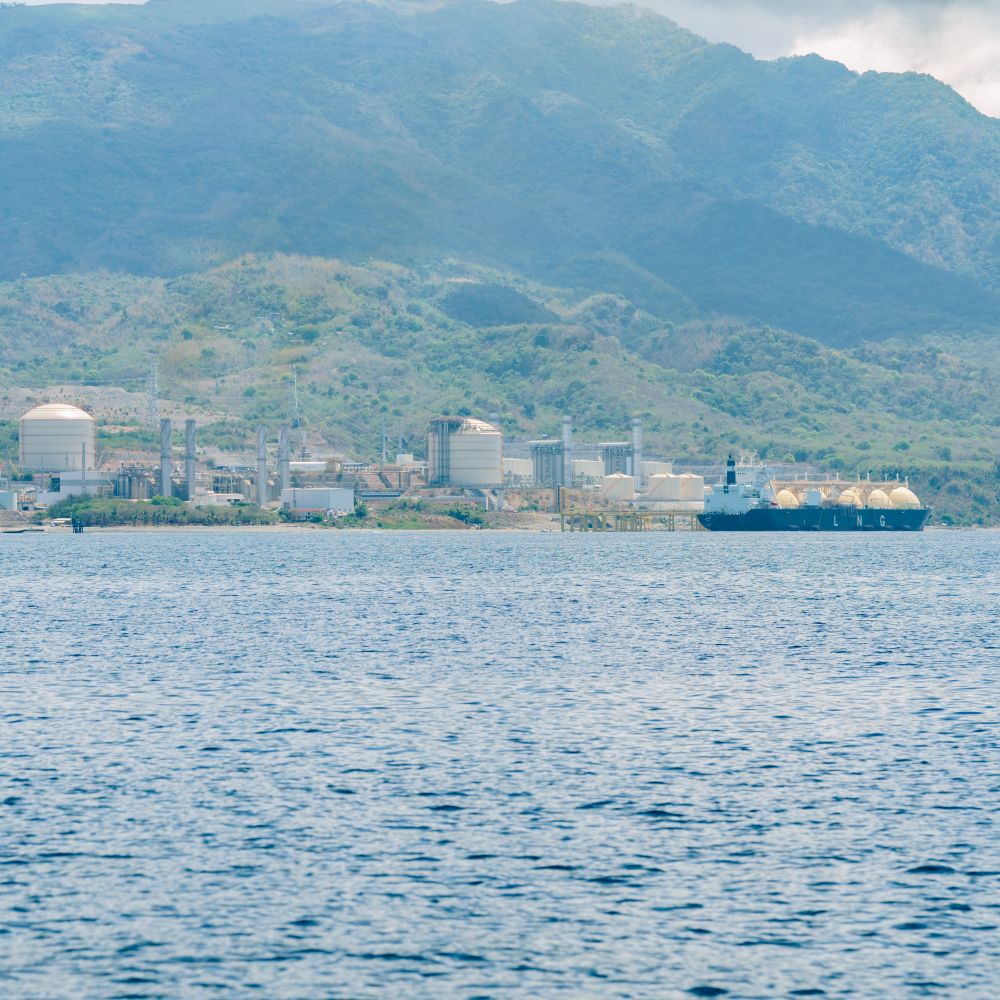
Spain has more LNG regasification capacity than any other country in Europe, and an import terminal is a different engineering problem from a liquefaction plant. The plant side is relatively stable; the variability arrives by sea. Every cargo brings a vessel the terminal did not design, crewed by people it has not met, connecting to a jetty for a transfer during which the ship and the shore must operate as one system — sharing emergency shutdown, monitoring the transfer, and able to communicate immediately and unambiguously if anything goes wrong. That interface, spanning a moving vessel, an exposed jetty and a hazardous-area plant, is where terminal telecom earns its keep. Berth occupancy also means the work is almost always brownfield: upgrades have to fit between cargoes.
The LNG and downstream telecom landscape in Spain
Spain’s gas system is import-led, built around a set of coastal regasification terminals connected to the national network, alongside refineries, petrochemical sites and storage terminals. For telecom the defining feature is the marine interface. A jetty is a harsh, exposed, hazardous-classified environment carrying communications that must work first time: ship-to-shore voice for the transfer, the link that carries emergency shutdown signalling between vessel and terminal, public address and alarm coverage that reaches personnel on the jetty head as reliably as in the control room, CCTV giving operators sight of the transfer area, and radio coverage that does not fail among steel structures and tanks. These systems face salt, weather and vibration while sitting inside a hazardous-area classification, so equipment selection follows ATEX and IEC 60079 and installation must survive the environment rather than merely satisfy it on the day. Because terminals run to a berth schedule, upgrade work is constrained by cargo movements, and the practical engineering skill is staging changes so a live terminal keeps receiving. Spain’s wider energy transition — green hydrogen, offshore wind and terminal adaptation — is adding further scope to these existing assets.
What we deliver in Spain
Integrated telecom, safety and control-system engineering aligned with Spain’s oil & gas operations.
A dependable telecom partner in Spain
Related projects
Representative programmes that demonstrate the same engineering and integration capability.
LNG Terminal Telecom Systems in Spain — questions answered
Direct answers to common questions from project and procurement teams.
What telecom services does Exctel provide for Spanish LNG terminals?
Exctel provides ship-to-shore and jetty communications, radio coverage design, PA/GA and emergency communications, CCTV and access control, SCADA and telemetry interfaces, hazardous-area equipment engineering, and the surveys and upgrade studies needed to modernise operating terminals.
Why is the ship-to-shore interface the critical part of terminal telecom?
Because during a transfer the vessel and the terminal function as one system while having been designed separately. Voice communication must be immediate and unambiguous, emergency shutdown signalling has to pass reliably between ship and shore, and operators need sight of the transfer area. That interface is engineered for the worst moment, not the routine one.
How does Exctel handle hazardous-area requirements on a jetty?
Jetty equipment sits in a classified zone while also facing salt, weather and vibration. Selection follows ATEX and IEC 60079 for the applicable zone, but the design also has to address ingress protection, corrosion and mechanical durability — because equipment that is certified but fails in the environment has not solved the problem.
Can telecom upgrades be carried out without interrupting cargo operations?
Largely, with planning. Exctel surveys what is actually installed, identifies what can be prepared offline, and stages the work around the berth schedule so that changes requiring system downtime fall between cargoes — with fallback arrangements defined for anything affecting communications needed during a transfer.
Why choose Exctel for LNG terminal telecom systems in Spain?
Exctel brings 25+ years of international gas, LNG and downstream telecom experience, engineering across the marine interface, hazardous-area depth, brownfield capability for work on live terminals, and vendor independence — which matters where most scope is upgrading assets that are already in service.
Industries we serve here
Other locations we serve
Planning lng terminal telecom systems in Spain?
From feasibility to commissioning, our engineers are ready to help you deliver safe, connected and future-ready infrastructure.