Offshore & LNG Telecom Systems in Australia
Telecom and safety systems for Australian offshore and LNG operations — proven on the Ichthys development in the Browse Basin.
 Australia
Offshore & LNG Telecom Systems in Australia
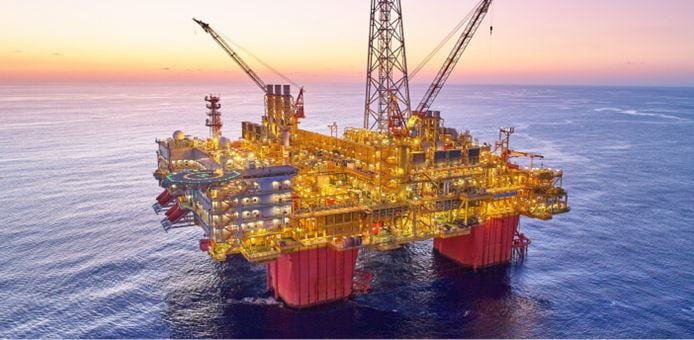
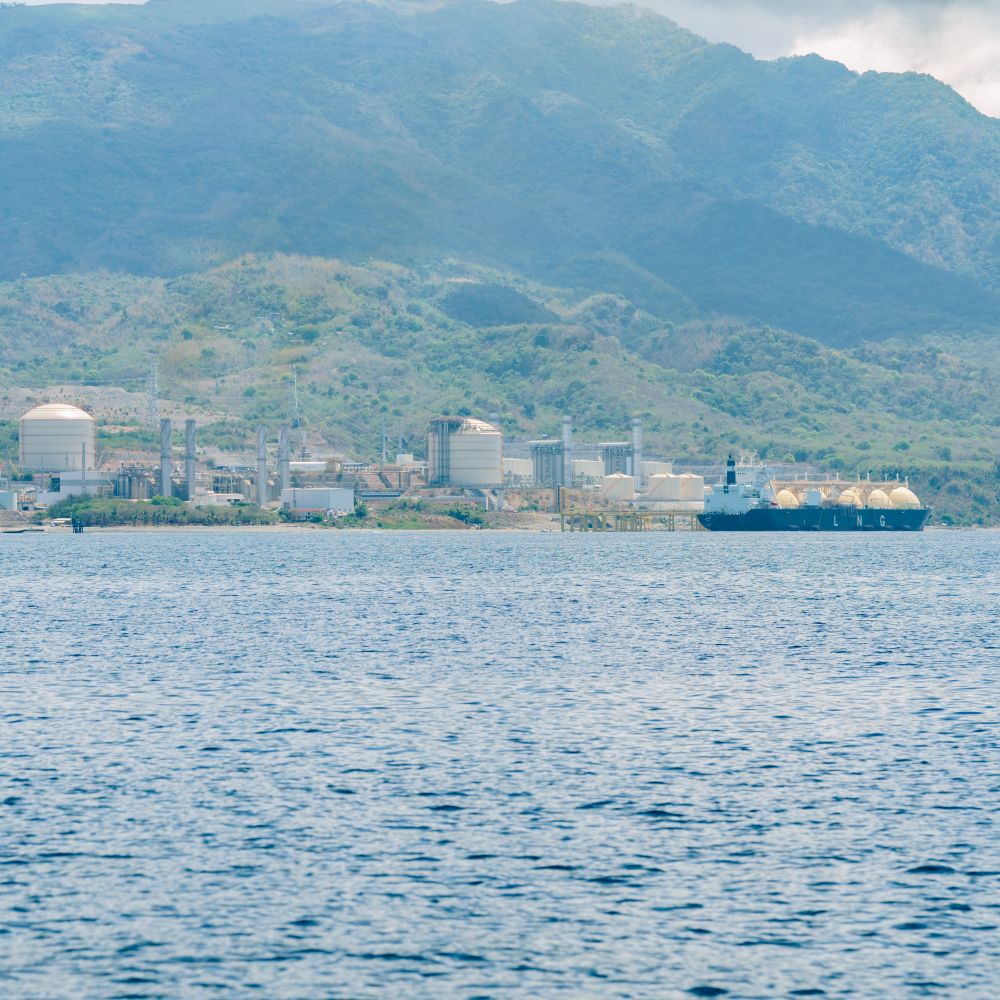
Australia’s gas industry runs on a small number of very large, very remote facilities. Floating and fixed production off the north-west coast feeds onshore liquefaction thousands of kilometres from major centres, while Queensland’s coal seam gas developments gather from many thousands of wells to supply liquefaction on the east coast. Exctel has worked at this end of the market: on the Ichthys development in the Browse Basin, we completed detailed design, procurement, factory testing and on-site commissioning of telecom and safety systems integrated into the existing central processing facility and FPSO for INPEX and McDermott Asia Pacific.
The oil & gas telecom landscape in Australia
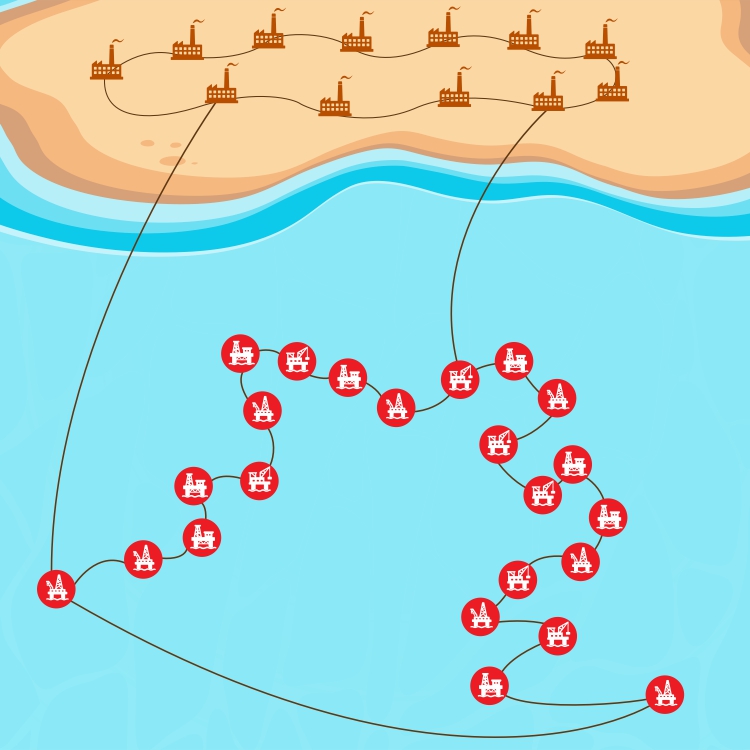
Two things make Australian offshore work distinctive. The first is isolation combined with weather: north-west facilities sit far from support bases in a region exposed to cyclones, so systems must keep working through severe conditions, tolerate periods when personnel cannot be mobilised, and be maintainable by the crew on board rather than a specialist flown out. The second is the safety regime — Australia operates a safety case system in which emergency communications, public address and general alarm are treated as systems whose performance must be demonstrated and maintained, not merely installed. Queensland presents a different problem again: coal seam gas gathers from very large numbers of low-rate wells across wide areas, so the network is a distributed telemetry system on a scale closer to a utility than a conventional gas field. Ageing infrastructure in the south-east adds decommissioning and late-life work to the mix.
What we deliver in Australia
Integrated telecom, safety and control-system engineering aligned with Australia’s oil & gas operations.
A dependable telecom partner in Australia
Related projects
Representative programmes that demonstrate the same engineering and integration capability.
Offshore & LNG Telecom Systems in Australia — questions answered
Direct answers to common questions from project and procurement teams.
Has Exctel worked on Australian offshore projects?
Yes. For the Ichthys Gas Field Development Phase 2B in the Browse Basin, Exctel completed detailed design, procurement, factory testing and on-site commissioning of telecom and safety systems for INPEX and McDermott Asia Pacific — including explosion-proof IP CCTV and PTZ cameras, a public address and general alarm system, hazardous-area VoIP telephones, integrated sounder-beacons and explosion-proof wireless LAN, integrated into the existing CPF and FPSO infrastructure.
Can Exctel integrate new systems into an operating production facility?
Yes, and the Ichthys scope is a direct example: systems designed, procured, factory tested and commissioned into infrastructure already in service. Work of that kind depends on surveying what is genuinely installed, managing interfaces carefully, and completing as much testing as possible onshore so offshore time is spent on commissioning rather than fault-finding.
How does remoteness affect telecom design on the North West Shelf?
Facilities sit far from support bases in a cyclone-exposed region, so systems must keep working through severe weather and through periods when personnel cannot be mobilised. That pushes design toward redundancy, remote diagnostics, generous spares strategies and equipment the crew on board can maintain — because the alternative is waiting for a weather window.
Does Exctel work on coal seam gas telemetry networks?
Yes. Gathering from very large numbers of low-rate wells across wide areas makes the communication network a distributed telemetry system closer in scale to a utility than a conventional gas field. Exctel engineers SCADA and telemetry networks of that kind, along with the security and monitoring systems that distributed infrastructure requires.
Why choose Exctel for offshore and LNG telecom systems in Australia?
Exctel has delivered exactly this work in Australian waters — full scope from detailed design through commissioning on the Ichthys development — with hazardous-area specialisation, experience integrating into producing facilities, and 25+ years of international oil, gas and LNG telecom engineering delivered from our Singapore headquarters.
Industries we serve here
Other locations we serve
Planning offshore & lng telecom systems in Australia?
From feasibility to commissioning, our engineers are ready to help you deliver safe, connected and future-ready infrastructure.